Spotted Wolffish – Anarhichas Minor
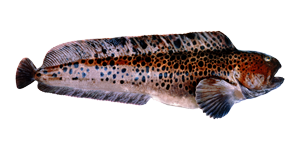
The spotted wolffish is a bottom-dwelling fish that lives in cold, deep waters near rocky areas. It is found at depths of between 40 and 600 meters. The flesh is delicate with a special firm texture which makes it well suited for a range of cooking methods like poaching, frying, steaming, braising, grilling and deep-frying. The spotted wolffish is now a culinary delicacy in great demand.
Spotted wolffish fishing is carried out year-round. Fresh or frozen fillets are the main products. Spotted wolffish is more fatty than species from the cod family and it is a good source of protein, vitamin A and vitamin B12.
Redfish – Sebastes Marinus & Sebastes Mentella
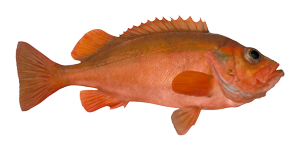
In Norwegian waters the redfish is a pelagic fish. It is found at depths of between 100 and 500 meters. The flesh has a rich taste, soft consistency and it is relatively fatty. This makes it well suited for frying, grilling and it is excellent for stir-fry dishes. Redfish is usually fished as a bycatch in the North Sea, the Barents Sea and in Norwegian fjords.
Redfish fishing is carried out as a bycatch year-round but fishing is most common in the summer. Fresh fillets and salted whole fish or salted fillets are the main products. Redfish is a relatively good source of omega-3 fatty acids and a good source of protein, vitamin B12 and selenium.
Tusk / Cusk – Brosme Brosme
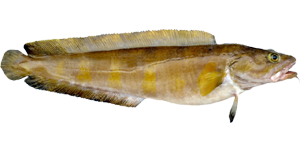
The tusk, also know as cusk is a bottom-dwelling fish that thrives in rocky areas. It is found at depths ranging from 100 to 1000 meters, but it is most common between 200 and 500 meters. The flesh is very white with a firm texture which makes it excellent for frying and baking.
Cusk fishing is carried out year-round and there is a broad product range. Fresh and fillets are the main products but it is also available in salted varieties. Cusk is low in fat and is a good source of proteins, vitamin B12 and selenium.
Ling – Molva Molva
The ling is a bottom-dwelling fish that belongs to the rockling familiy of cod fishes. It is found at depths of between 60 and 1000 meters, but it is most common at depths of around 350 meters. The taste is comparable to cod and the flesh is relatively firm, which makes it well suited for grilling, frying and poaching.
Ling fishing is carried out year-round. Fresh and fillets are the main products but it is also available in salted varieties. Ling is low in fat and is a good source of protein and selenium.
Greenland Halibut – Reinhardtius Hippoglossoides
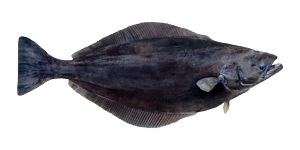
The greenland halibut is a bottom-dwelling fish that belongs to the flatfish family. It is found at depths of between 600 and 1200 meters and can reach a weight of 45kg. The flesh is firm and fatty which makes it well suited for baking and poaching. The greenland halibut is only found in waters below 4°C. It is usually fished along the edge og the norwegian continental shelf as far north as Svalbard.
Greenland halibut fishing is carried out in June and August, and it is available year-round as a bycatch. Smoked, whole and sliced are the main products. Greenland halibut is rich in omega-3 fatty acids, vitamin D and it is a good source of protein.
Atlantic Halibut – Hippoglossus Hippoglossus
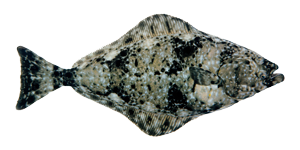
The atlantic halibut is a bottom-dwelling fish that belongs to the flatfish family. It is found at depths of between 300 and 2000 meters and can reach a weight of 200 kg. The flesh is firm and has a delicate white look. This makes it well suited for frying, poaching and grilling. The atlantic halibut is highly valued and is served on special occasions in Norway. Atlantic halibut is found in the norwegian fjords and in the banks off the coast.
Atlantic halibut fishing is carried out from April to December. It is prohibited to fish for atlantic halibut from December 20th to March 31st because of the vulnerable nature of the fish. Fresh, and frozen whole fish are the main products. Atlantic halibut is rich in omega-3 fatty acids, vitamin D and it is a good source of protein.
Alaska Pollock – Gadus Chalcogrammus
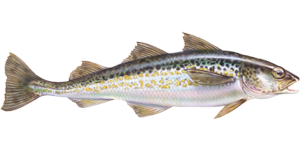
The Alaska pollock fishery is one of the largest and economic important fisheries in the world. The fish usually lives near the sea floor and feeds on krill, fishes and crustaceans. It is found at depths down to about 1200 meters and the fish usually grows to a length of about 60 cm. The white flesh of the Alaska pollock is slightly coarse, lean and considered a substitute for cod, though the Alaska pollock fillets are usually smaller.
Alaska pollock fishery is carried out year-round. The main products are frozen blocks, loins and fillets. Alaska pollock is fattier than cod or haddock and should therefore be cooked slightly longer.
Pollack – Pollachius Pollachius
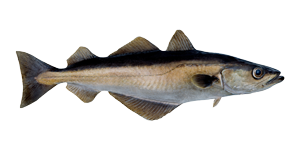
The pollack is both a pelagic fish and a bottom-dwelling fish that swims in shoals. Its behaviour and look is similar to the saithe, but it is distinguished by a protruding jaw. It is found at depths of between 0 and 200 meters. Pollack is usually caught as a bycatch when fishing for cod and is considered a tasty fish. The texture of the flesh is firm which makes it well suited for frying and poaching. The Pollack is one of the main recreational fishery species in Norway.
Pollack fishing is carried out year-round. Fresh and fillets are the main products. Pollack is low in fat and is a good source of protein, vitamin B12 and selenium.
Saithe – Pollachius Virens
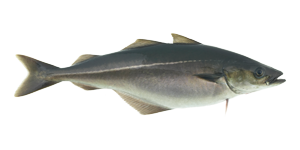
The saithe is both a bottom-dwelling fish and a pelagic fish that swims in shoals. It is found at depths of between 0 and 300 meters. It has a distinctive taste and the texture of the flesh is firm. This makes it well suited for frying, grilling and poaching. The saithe is one of the main commercial species in Norway and is fished along the entire coast north of Stad.
Saithe fishing is carried out year-round. Fresh and fillets are the main products but the saithe is also available in dried varieties. Saithe is low in fat and is a good source of protein, vitamin B12 and selenium.
Haddock – Melanogrammus Aeglefinus
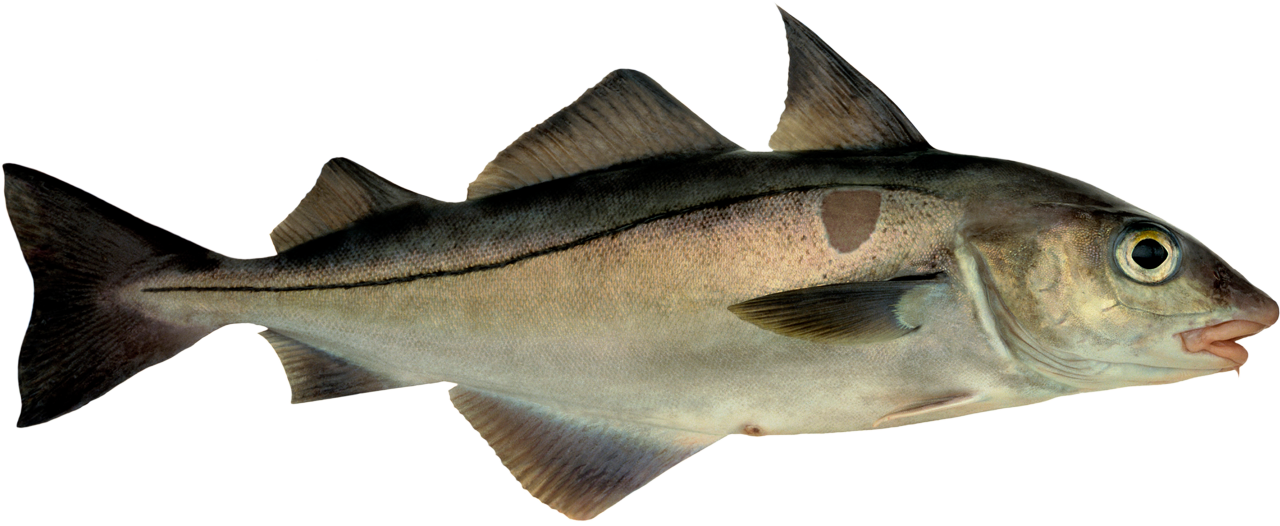
The haddock is a bottom-dwelling fish that belongs to the cod family. It is found at depths of between 40 and 300 meters. The texture of the flesh is coarse and delicate with a good bonding ability. That is the reason it is often used in processed fish meals. The haddock is one of the most important species for human consumption in Norway as it lives in coastal waters along the entire coast of Norway north of Stad.
Haddock fishing is carried out year-round but there is a special floating long line fishery off the east coast of Finnmark county during summer. Fresh and fillets are the main products but the haddock is also available in salted and smoked varieties. Haddock is low in fat and is a good source of protein. It also contains vitamin B12, pyridoxine and selenium.